Dying of Dysentery: Lessons from History

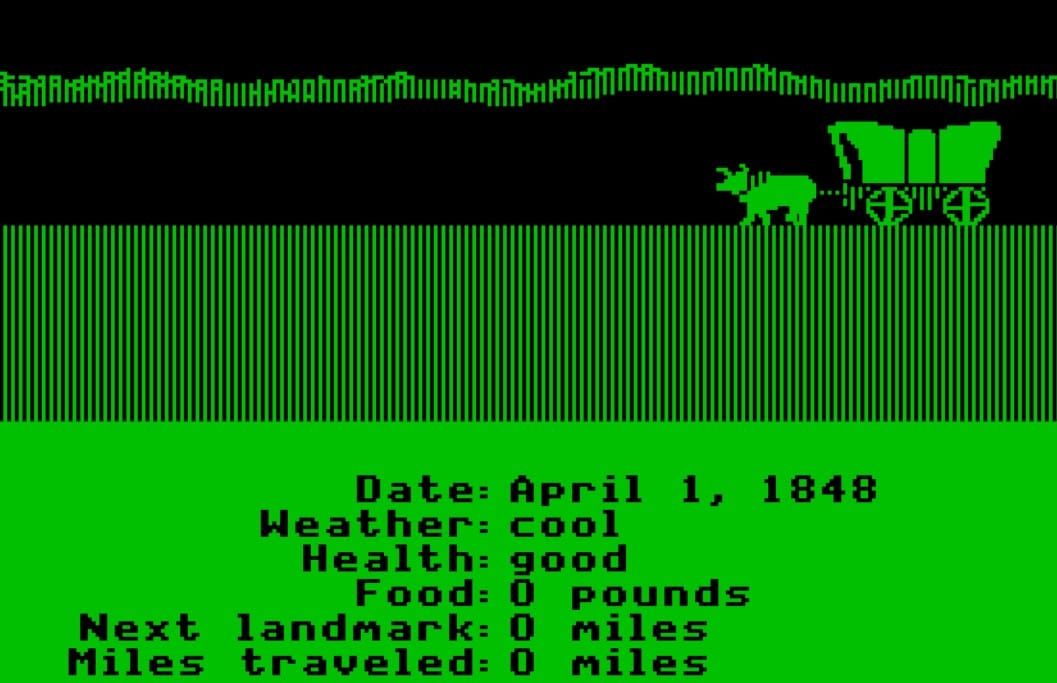
For the celebration of America’s semiquincentennial, the New York Times published an article about video games that explore the nation’s history. Highlighting mostly franchise superstars like Fallout, Red Dead Redemption, Bioshock, and Assassins Creed, the article also mentions a few lesser celebrated games like Where the Water Tastes Like Wine, and a series of PBS sponsored games called Mission US, eight games spread across American history from the early 1500’s through the Civil Rights movement–each game follows a teen trying to navigate complex topics. Of course, no list of history exploring video games would be complete without the GOAT: The Oregon Trail. I recall playing this in the seventh grade after school in the computer lab. The afterglow of the Apple II green screen is permanently burned into my retinas. It was literally one of the reasons I saved up money from mowing lawns and delivering newspapers to buy a Commodore 64.
My love affair with history based games started there and has only grown over the decades. In that time I have played countless games of franchises like Sid Meier’s Civilization, Total War, Field of Glory, not to mention a whole catalogue of games from SSI: Allied General, Pacific General, Panzer General, Computer Bismarck, Silent Hunter, Gary Grigsby’s Pacific War, and President Elect, just to name a few.
Some US History games that I would add to the NYT list are the following:
- Empire of Sin is a real-time strategy game with the player taking the role of a crime boss in the Prohibition era starting in 1920, one year after the passage of the Eighteenth Amendment, and trying to gain control of Chicago before Prohibition is abolished in 1933.
- Nantucket is a turn based strategy game set a few years after the events narrated by Herman Melville in Moby Dick. You play as Ishmael, the sole survivor of the Pequod, and follow his quest for redemption hunting the White Whale.
- Railroad Tycoon II, a business simulator that details the growth of the industry both here in the US and across the globe.
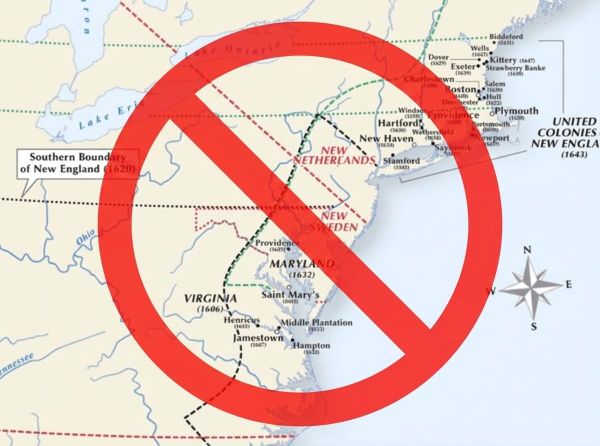
- Sid Meier's Colonization. While the game completely glosses over the impact that slavery had on the colonization of the New World, it still does a good job of highlighting the history. I would have never known about the historical impacts of individuals like René-Robert Cavelier, Sieur de La Salle, Father Jean de Brebeuf, Juan de Sepulveda, and Bartolome de las Casas.
I know a lot of people feel that video games can be a waste of time, but I feel that historical games do something important. While they can’t be an alternative to textbooks, they can cause one to wonder. Why did settlers move west, why did railroads matter, why did Prohibition fail, how did colonization unfold differently across North America, or more importantly why do games gloss over the hard questions? Once you start asking (and answering) those questions, you've started the work of studying history.